Alex & Maya
An evening to remember
Find your way home together after an evening out.
We build systems that understand continuous visual, audio, and contextual streams—and act while the moment is still unfolding.
Long history · real-time response · low cost
Loading news…
Loading research…
We work with organizations to turn continuous multimodal understanding into focused, dependable products.
Explore enterpriseFind your way home together after an evening out.
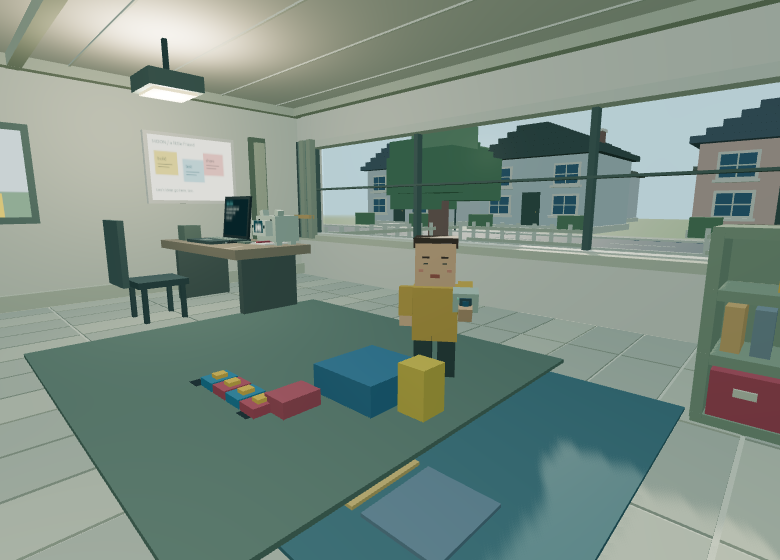
Build a camera companion while balancing trust, savings, and family life.
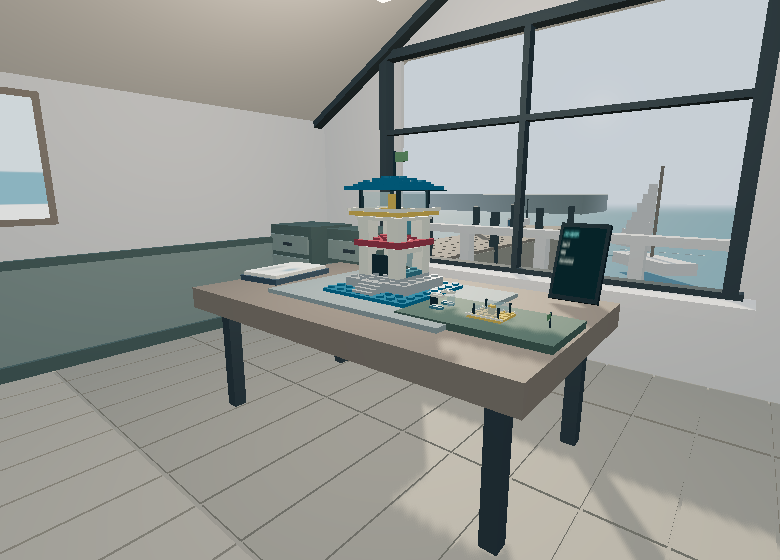
Rebuild a lighthouse, keep your place, and bring the family together.
A shared protocol, SDKs and reference implementations connect phones, smart glasses and camera devices to streaming intelligence, with local consent and provider-independent model sessions.
Intelligence should not stop at a chat window. The devices already around us can become its eyes, ears and ways of acting in the world. Gelato brings those devices into a common ecosystem, connecting their local capabilities to a Controller through the same protocol.
Its name is inspired by Galatea, the statue brought to life in Greek mythology. Our aim is to bring streaming intelligence to everyday hardware without requiring every developer to rebuild pairing, connections, media transport and device control from scratch.
The film moves from a phone responding to instructions, to an ordinary kettle becoming part of a notification workflow, to glasses assisting with a hands-on task. Different hardware, one approach: let devices supply observations and carry out the capabilities their owners have authorized.
Gelato v1 defines the device-to-Controller contract: local prerequisite checks, one-use pairing, authenticated reconnection, capability snapshots, input and replies, commands and media streams. The wire identifier is gelato.v1.
The reference implementations cover Android phones, iPhones, Rokid BOLON glasses and the Seeed XIAO ESP32S3 Sense camera. Their capabilities differ. A camera board does not need to pretend to be a phone, and a pair of glasses can capture its own observations and connect over Wi-Fi without a phone companion after setup.
Media travels separately from control messages. Photos, screen previews and audio use authenticated streams; messages refer to those streams rather than filling control JSON with binary data. A device advertises what it can actually do, and the Controller routes commands against that current capability snapshot.
Pairing a device, enabling its connection and allowing remote control are separate choices. An owner can pause control without losing the pairing. Turning off a connection does not silently reset those choices.
The protocol leaves hardware execution on the device or its authorized companion. It does not require cloning a person's account information or working environment into the cloud. Device-local permissions, consent and capability checks remain part of the execution path.
An optional model runtime connects to the Controller through a separate gelato.model.v1 session. Device inputs can become model inputs; model content can become a reply, and an action proposal can be checked and routed as a device command. A proposal is not permission to act, and the model does not receive device-pairing credentials.
The repository includes Qwen Live Harness and Codex integrations, each with its own declared modalities and capabilities. The device protocol is not tied to either runtime or to StreamingTelligence as a model provider. Developers can connect another conforming runtime without changing the device-side wire contract.
Start with the Gelato documentation, then follow Getting started to run the Controller and pair a device. The device specification, model-session specification and JSON schemas describe the contracts in detail. The documentation is available in English and Chinese within the API documentation workspace.
For a new kind of hardware, Implement a device sets out the minimum contract. Gelato's protocol, SDKs and reference implementations are licensed under Apache 2.0, with third-party components retaining their own licenses.
A streaming-native model for continuous multimodal understanding and timely responses.
Continuous understanding builds context before a question, so help can arrive while the moment is still unfolding.
Use ongoing visual, audio, and contextual input to understand what is happening.
Support interaction without waiting for a new, isolated prompt every time.
Use Gelato to connect observations and authorized device capabilities.
Explore GelatoSource: StreamingTelligence team presentation, page 5.
Give your applications real-time multimodal understanding with APIs built for continuous visual, audio, and contextual input.
const stream = client.streams.create({
  input: ["vision", "audio"],
  memory: "continuous"
});

stream.on("understanding", event => {
  respond(event.action);
});Connect live visual, audio, and contextual signals through a single API surface.
Carry context forward so applications can reason across moments, not isolated frames.
Receive structured understanding while the event is still relevant.
Work with our team to design multimodal systems for live, high-context situations—from safer travel to healthier play.
Multimodal models have made remarkable progress with static inputs. We focus on the next step: systems that understand continuous streams and can respond while the moment is still unfolding.
Carry useful context forward so understanding can develop across moments instead of restarting at every frame.
Reason and respond while an event is still relevant, rather than after the stream has already moved on.
Make continuous intelligence efficient enough to become a practical layer in everyday products and environments.
A short film about why intelligence should remain present across history, respond in real time, and stay efficient enough to move with everyday life.
Explore partner productsProducts co-created with developers and partner organizations, powered by StreamingTelligence.
We would love to build products with you, or put streaming intelligence to work for your business.
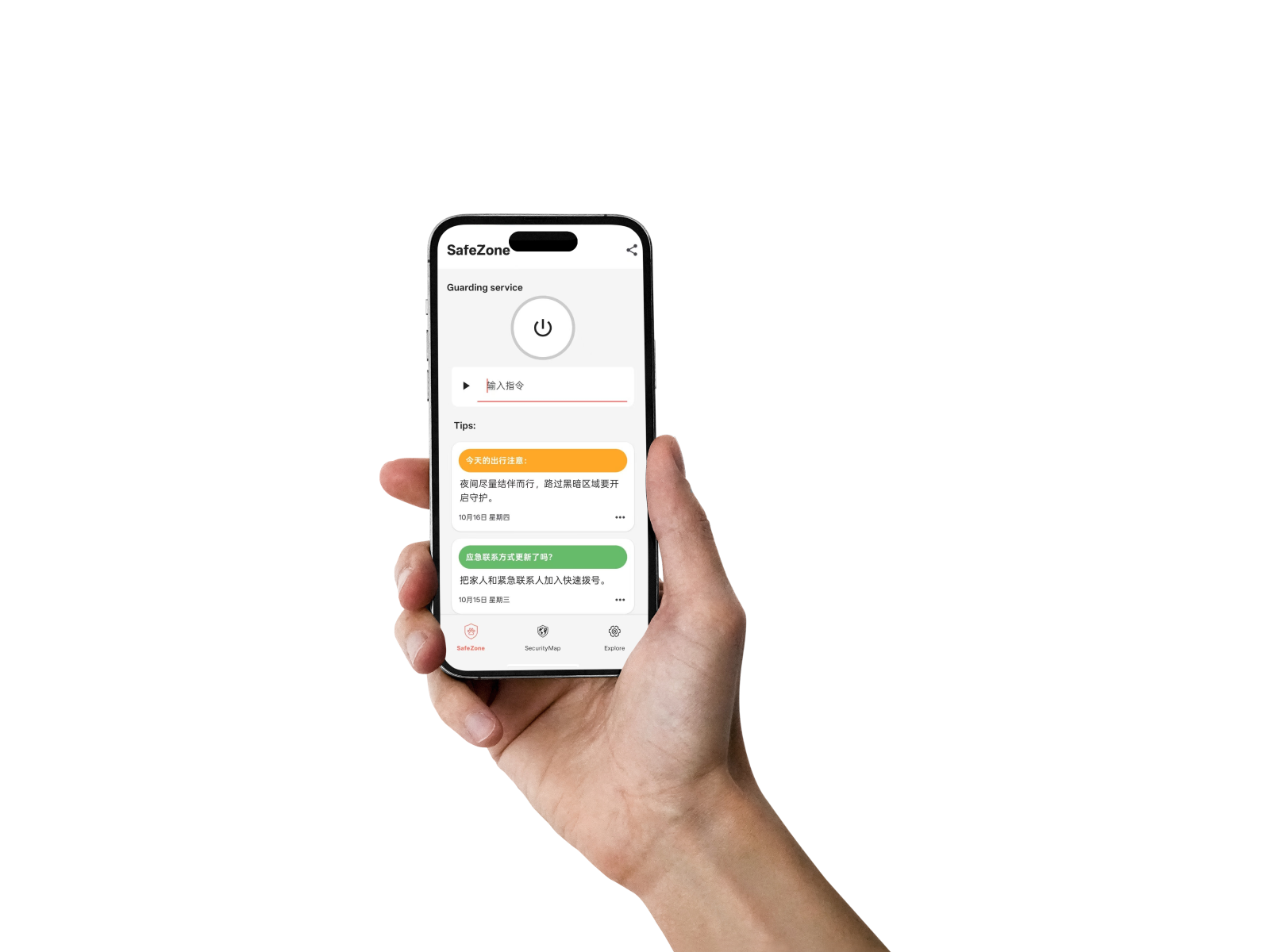
Our model is capable of processing multimodal information streams in real time. Building on this capability, we launched the SafeGuard service,
which can use live camera feeds to help users avoid risks, provide safety recommendations, and take actions according to user instructions.
Want to know if someone with bad intentions
is quickly approaching behind you
on a dark street?
Want to take a short break
but worry your luggage might get stolen
while you relax?
Have allergies but can’t read
a foreign-language menu and worry
about ordering the wrong dish?
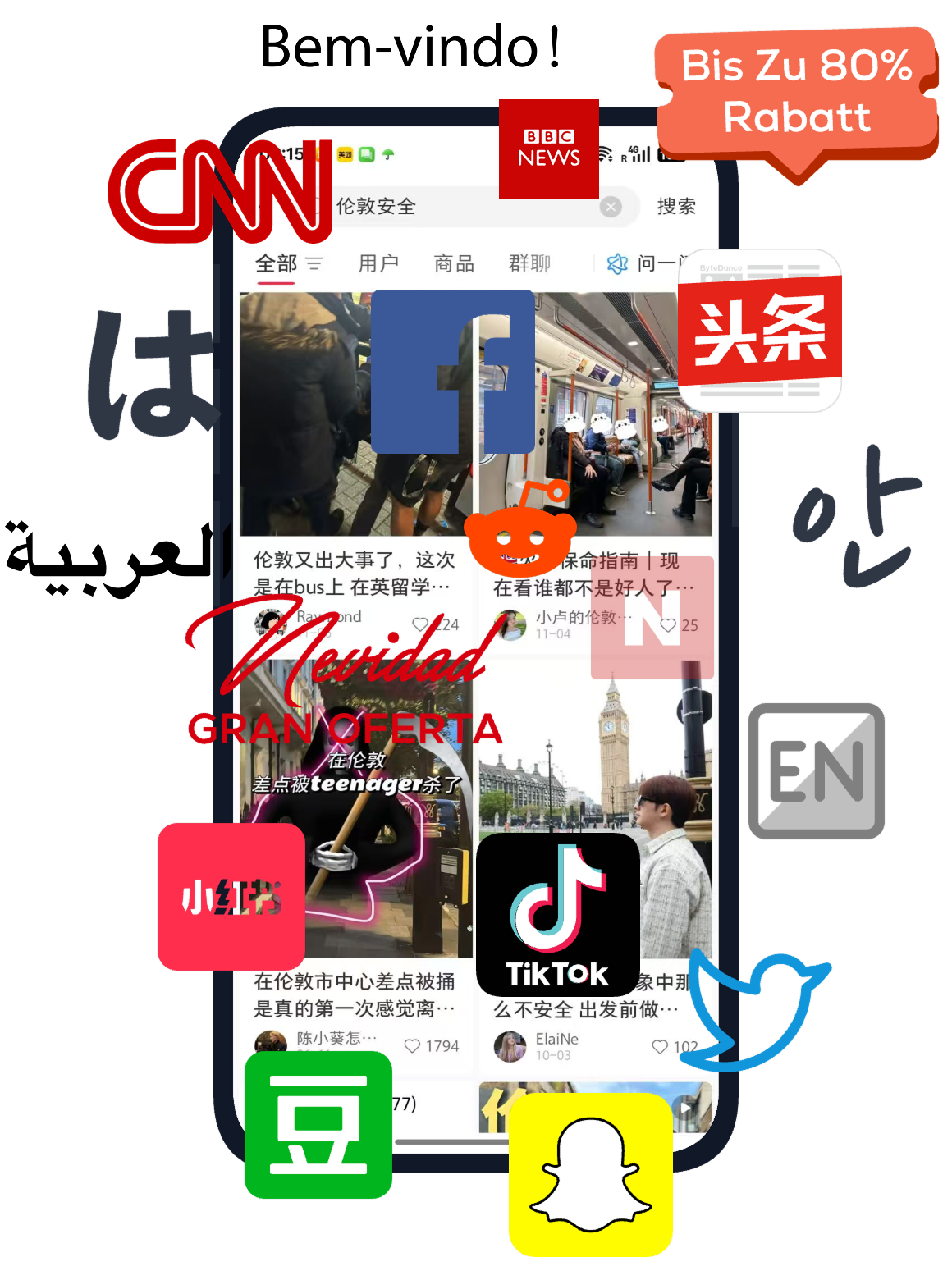
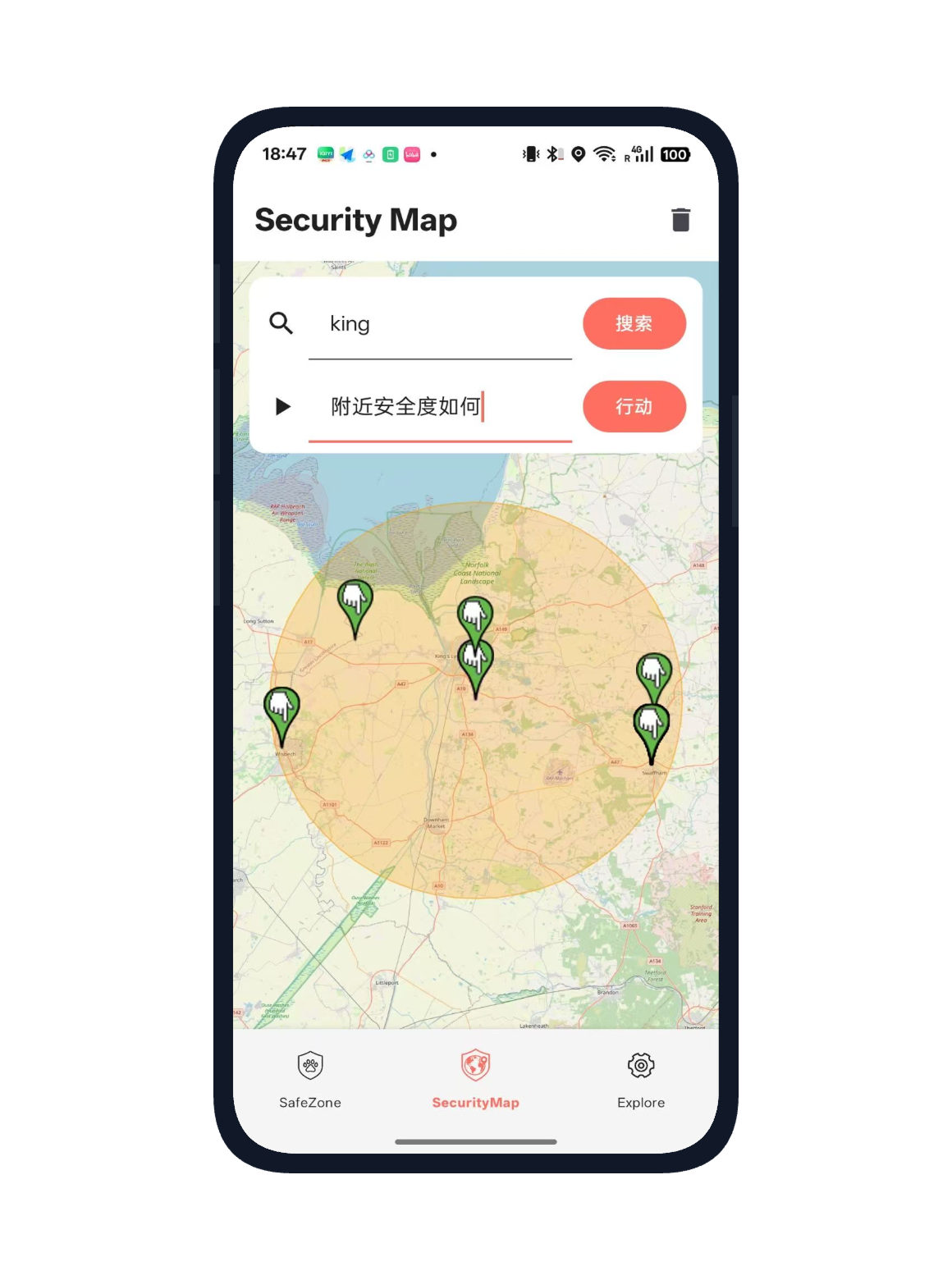
Our model can access the internet and major social platforms, and manage the information streams within them. This gives the content on
our Security Map exceptional real-time accuracy. No matter what you want to know or where, just tap once — we ensure you never have to sift through any unnecessary information.


Research, field notes, and the ideas behind continuous understanding.
Leave your email and we will send download guidance as soon as access is ready.